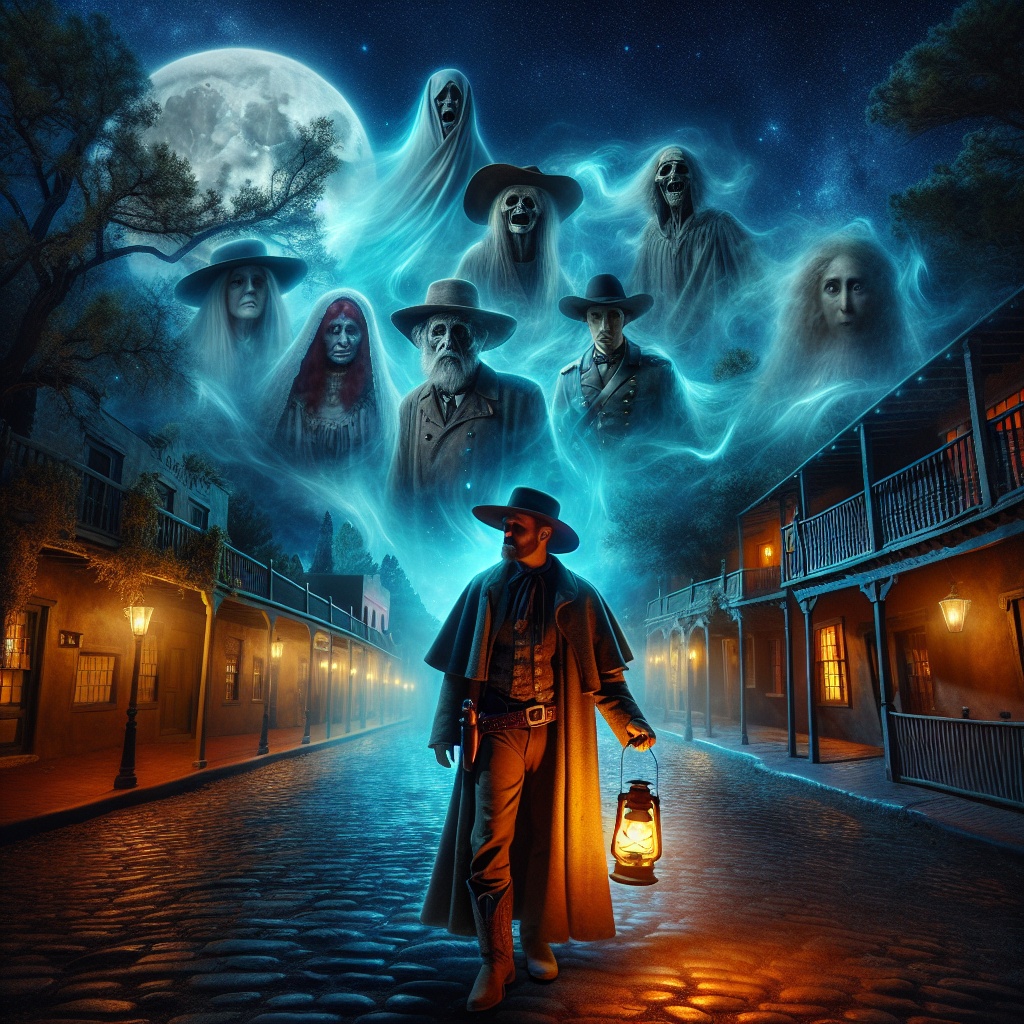
The allure of the paranormal has persisted throughout human history. Ghosts, spirits, and otherworldly entities have captured our imaginations for centuries, appearing in folklore, literature, and religious accounts. In modern times, this fascination has taken on a new form: ghost hunting and paranormal investigations. Armed with gadgets and an insatiable curiosity, enthusiasts seek to bridge the gap between the seen and the unseen. However, the rise of horror films, particularly those centered on the supernatural, has undeniably shaped the way we perceive, approach, and even conduct these investigations. The question is, are horror films enriching the field of paranormal study, or are they muddying the waters with sensationalism and unrealistic expectations?
This blog will explore the profound impact that horror films have had on paranormal investigations and ghost hunting, all while maintaining a healthy dose of skepticism. From influencing the tools investigators use to shaping cultural beliefs about the paranormal, horror films have left their mark, for better or worse.
To understand the relationship between horror films and paranormal investigations, we first need to acknowledge the powerful role media plays in shaping our perceptions. Ghost stories have always been a part of human culture, but the advent of cinema revolutionized the way we consume and interpret these tales. From early classics like The Haunting (1963) to modern blockbusters like The Conjuring (2013), horror films have popularized certain tropes that now dominate the paranormal narrative. Think of flickering lights, disembodied whispers, cold spots, and malevolent entities lurking in shadowy corners. While these cinematic elements are undeniably effective at scaring audiences, they are often portrayed as universal hallmarks of a haunting. As a result, many ghost hunters and paranormal enthusiasts enter investigations with preconceived notions heavily influenced by Hollywood.
One of the most significant ways horror films have impacted paranormal investigations is by shaping public expectations about what ghosts are and how they behave. In the world of cinema, ghosts are often malevolent, dramatic, and unmistakably present. They slam doors, throw objects, and communicate through cryptic symbols. While these depictions make for thrilling entertainment, they also create unrealistic expectations for what investigators might encounter in real life.
Take, for example, the concept of “intelligent hauntings,” where a ghost is said to actively interact with the living. This idea has been popularized by films like The Sixth Sense and Poltergeist. While there are anecdotal accounts of such phenomena, scientific evidence remains elusive at best. Yet, thanks to these films, many ghost hunters embark on investigations expecting, or even hoping, for dramatic interactions, which can lead to confirmation bias. A creaky floorboard or a distant sound is more likely to be interpreted as paranormal when one is primed by Hollywood’s portrayal of ghosts.
Moreover, horror films often depict ghosts as inherently tied to tragic or violent deaths. This narrative has permeated ghost hunting culture to the point where investigators frequently seek out locations with dark histories, assuming that trauma is the primary catalyst for hauntings. While this makes for compelling storytelling, it raises the question: Are investigators genuinely observing paranormal activity, or are they subconsciously shaping their experiences to align with a preexisting narrative?
Another area where horror films have left their mark is in the tools and gadgets used by paranormal investigators. Films like Ghostbusters (albeit a comedy) and Paranormal Activity have popularized the use of high-tech equipment in the hunt for ghosts. Devices such as EMF (electromagnetic field) detectors, infrared cameras, and spirit boxes are now staples of ghost hunting, despite the lack of scientific consensus on their effectiveness.
EMF detectors, for instance, are often used to identify fluctuations in electromagnetic fields that are theorized to indicate paranormal activity. However, these devices were originally designed for detecting electrical wiring issues, not ghosts. While horror films and TV shows have dramatized their use, skeptics argue that these tools often pick up mundane environmental factors, such as faulty electronics or cell phone signals, rather than anything supernatural.
Similarly, spirit boxes, devices that scan radio frequencies to produce fragmented audio, are frequently showcased in horror films and paranormal reality shows as a means of communicating with spirits. The eerie snippets of words or phrases that emerge can feel profoundly unsettling, but skeptics attribute these “responses” to auditory pareidolia, a psychological phenomenon where the brain interprets random sounds as meaningful.
The question, then, is whether these tools genuinely aid in paranormal investigations or simply add to the theatricality of the experience. While they might make for captivating footage, their scientific validity remains questionable.
Horror films do more than just entertain; they tap into our primal fears of the unknown, the unseen, and the uncontrollable. This psychological impact cannot be overlooked when examining their influence on ghost hunting and paranormal investigations.
Fear has a way of heightening our senses, making us more attuned to subtle changes in our environment. This is why so many paranormal investigations take place under the cover of darkness: the absence of light amplifies our vulnerability and makes every creak, rustle, or shadow feel significant. Horror films capitalize on this phenomenon, often setting their most terrifying scenes in dimly lit, claustrophobic spaces. As a result, many ghost hunters adopt similar settings for their investigations, believing that the dark is inherently more “active” for paranormal phenomena.
However, skeptics argue that fear can also compromise objectivity. When investigators are primed to expect something terrifying, they may unconsciously interpret normal environmental stimuli as paranormal. For example, a drafty window becomes a “cold spot,” or a flickering candle is attributed to a ghostly presence rather than a simple air current. This is not to dismiss the experiences of those who claim to have encountered the paranormal but rather to highlight the importance of separating personal perception from objective evidence.
The influence of horror films extends beyond individual investigations and into the broader cultural landscape, particularly through the rise of paranormal tourism. Haunted houses, ghost tours, and overnight stays at infamous locations like the Stanley Hotel (inspiration for Stephen King’s The Shining) have become increasingly popular, fueled in large part by the cinematic portrayal of haunted sites. While these experiences can be thrilling and even educational, they also raise questions about authenticity. Are these locations genuinely haunted, or are they capitalizing on the public’s fascination with the paranormal? In many cases, the stories surrounding these sites are embellished or outright fabricated to align with the tropes popularized by horror films. This creates a feedback loop where Hollywood influences public perception, which in turn shapes the narratives of “haunted” locations, further reinforcing the cycle.
From a skeptical standpoint, paranormal tourism often prioritizes entertainment over rigorous investigation. While there’s nothing inherently wrong with this—after all, everyone loves a good ghost story, it underscores how horror films have blurred the line between fact and fiction in the realm of the paranormal.
For all their influence, horror films are not inherently detrimental to paranormal investigations. In fact, they can serve as a gateway for people to explore deeper questions about existence, consciousness, and the unknown. However, it’s crucial to approach the subject with a healthy dose of skepticism and critical thinking.
One of the main challenges in paranormal investigations is the lack of empirical evidence. While personal accounts and anecdotal experiences are compelling, they do not meet the standards of scientific inquiry. Horror films, with their dramatic flair and tendency to anthropomorphize the unknown, often exacerbate this issue by setting unrealistic expectations for what constitutes evidence.
To move the hobby forward, investigators must be willing to question their assumptions and separate cinematic fiction from reality. This means scrutinizing the tools they use, the methods they employ, and the narratives they construct. It also means being open to alternative explanations for seemingly paranormal phenomena, whether they be psychological, environmental, or technological.
Horror films have undeniably shaped the landscape of paranormal investigations and ghost hunting. They have inspired countless individuals to explore the unknown, brought attention to the mysteries of the afterlife, and even introduced innovative tools and techniques to the field. At the same time, they have perpetuated myths, fostered unrealistic expectations, and contributed to the sensationalism that often overshadows genuine inquiry.
As we continue to explore the boundaries of the paranormal, it’s essential to strike a balance between open-minded curiosity and rigorous skepticism. Horror films will always have a place in our culture, captivating us with their tales of terror and intrigue. But when it comes to ghost hunting, we must remember that the real world is often far more subtle, and perhaps even more mysterious, than anything Hollywood could ever dream up.